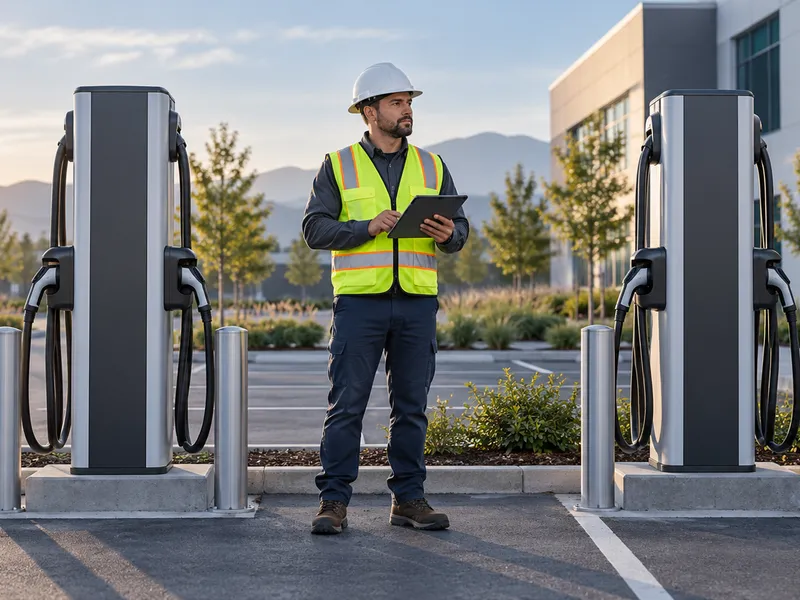

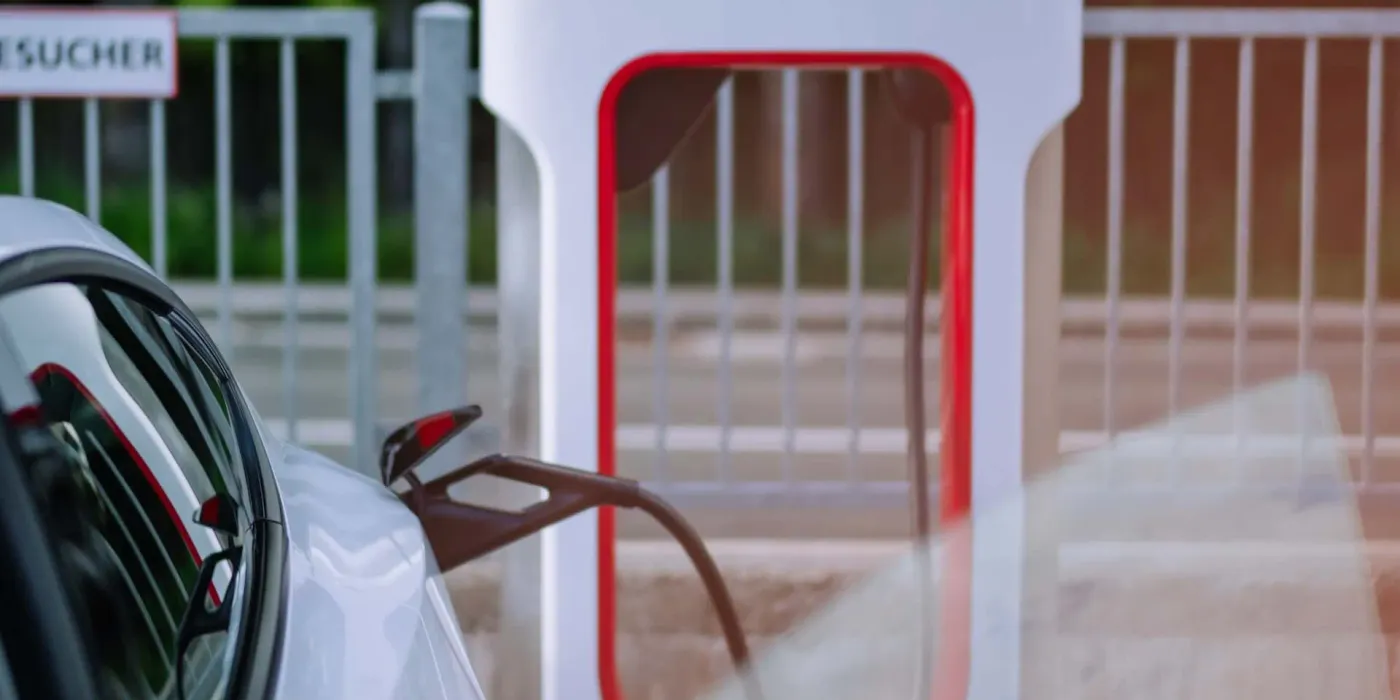
An EV charging project in Northwest Arkansas can start with a straightforward question: where will people charge while their vehicles are parked? The answer can be a driveway in Bentonville, an apartment property in Fayetteville, or an employee lot in Rogers.
The useful first step is to define that need. Equipment comes later, after you understand the users, parking pattern, and installation scope. This guide helps homeowners and property teams prepare for that conversation.
Start with the people who use the property
A homeowner, a hotel guest, and a fleet driver use parking differently. A charging plan needs to fit the routine of the people it serves.
For a home, think about daily driving, the usual parking location, and how long the vehicle stays there. For a workplace, consider employee access and the hours vehicles spend in the lot. For a hotel or destination, discuss guest access and the length of a typical visit.
Shared residential parking needs another set of decisions. Assigned spaces, visitor access, electricity payment, and equipment ownership can all affect the plan. Our HOA and community charging guide covers those questions in more detail.
The aim is a specific use you can explain in a sentence. “Charging for employees during the workday” gives a site assessment more direction than “we want to add EV charging.”
Match the parking pattern to the project
The time a vehicle spends on site is part of the equipment conversation. Overnight parking, a working day, and a short visit create different expectations. Describe the parking pattern before you ask for an equipment recommendation.
The location also matters. Bring a parking plan that shows the proposed spaces and how drivers reach them. Discuss access to the equipment, cable routes, and the effect on other uses of the property.
Electrical capacity needs a site assessment. A charger specification alone cannot tell you the work required at a particular building. Include utility coordination and any required electrical changes in the project conversation.
Define the first installation separately from expansion
Start with the installation you can justify today. Then identify which decisions can leave room for later growth, such as equipment placement, cable routes, or the parking layout.
Ask for the initial scope and possible expansion to appear separately in the estimate. That makes it easier to compare the cost of meeting today’s need with the cost of preparing for another phase.
Planning for growth does not mean installing a charger in every space now. It means understanding which early decisions affect later work, so the property team can make an informed choice.
Look at nearby public charging
The Department of Energy’s Alternative Fueling Station Locator is a starting point for finding public charging nearby. Before you rely on a station, verify its access and availability with the operator’s own information.
Nearby charging can provide useful context, but your project still needs its own purpose. A public station across town does not provide the same routine as charging while parked at home or work.
For drivers, our DC fast charging guide explains how to plan a charging stop. For a property project, keep the discussion focused on the people who will use your spaces.
Prepare for the site conversation
You do not need to choose every technical detail before you contact an installer. You do need enough information to explain the project and ask useful questions.
Bring these details:
- The property location and proposed parking spaces.
- The intended users and typical parking duration.
- The first phase you want to assess.
- Any known electrical or access constraints.
- Equipment preferences and questions about expansion.
- Who will approve the work and manage the equipment.
Ask what the assessment covers, what information is still needed, and which assumptions will appear in the estimate. A clear scope gives the next decision a practical starting point.
Explore charging at home, commercial charging, or contact Flux with your property details.